Clean Energy Topic: Battery Energy
-

Gas or Electric? Thinking Algebraically About Car Costs, Emissions and Trade-offs
This lesson challenges students to compare the price, maintenance cost, and emissions associated between the Tesla Model 3 and the Toyota Camry. They will use online interactive tools, retail websites, and news articles to determine which type of vehicle is a better financial choice.
-

STEP: Overview of Electric Motors
In this introductory lesson, students will engage with background content on electric vehicles then respond in an activity around how they engage with electric motors.
-

Reinventing the Wheel
Students examine the financial and environmental impacts that electric buses could have on their communities.
-

Solar-Powered Battery Charger
Students will design and test a simple solar-powered battery charger to build understanding around the relationship between the direction of electrons flowing through a battery, how batteries work, and how solar panels transfer energy.
-

Electric Vehicles
This lesson teaches students about the energy needed to move objects and, in particular, how cars get their energy to travel. Students take part in a problem-solving exercise about charging an electric car, which also aims to spark a debate about the different ways cars can be fueled.
-

Inside an EV
In this short lesson from Power Smart for Schools, students will learn how electric cars work a short video then teachers can use the provided Parts of an EV instructional presentation to guide students through a handout where they learn more about electric vehicles with a handout and answer key provided.
-

A Guide to Electrify the Future: Converting Vehicles and Preparing Automotive Students for the Road Forward
This guide from Green Learning provides the pathway of a yearlong automotive CTE Course where students are engaged in the conversion of internal combustion vehicles to electric vehicles and installing charging station infrastructure. Captured in the guide are processes, examples, outcomes, and learnings from several high schools implementing this work.
-

Transportation Fuels: The Future is Today
In this unit students will learn about conventional and alternative transportation fuels, as well as conduct research on transportation fuels. As lessons progress, students participate in synthesis activities where they apply their learning to provide support for their choice of an alternative fuel vehicle for personal use and then develop a plan for a community…
-

REVIT’s Fueling the Future: What Energy Source Used by Cars is Best for the Environment
Students learn how burning fossil fuels contributes to climate change, leading to more extreme weather and frequent outages. By exploring solutions, students see how communities can adapt, mitigate impacts, and build resilience, empowering them to think critically about energy and climate action.
-

Solar Sphero SPRK+
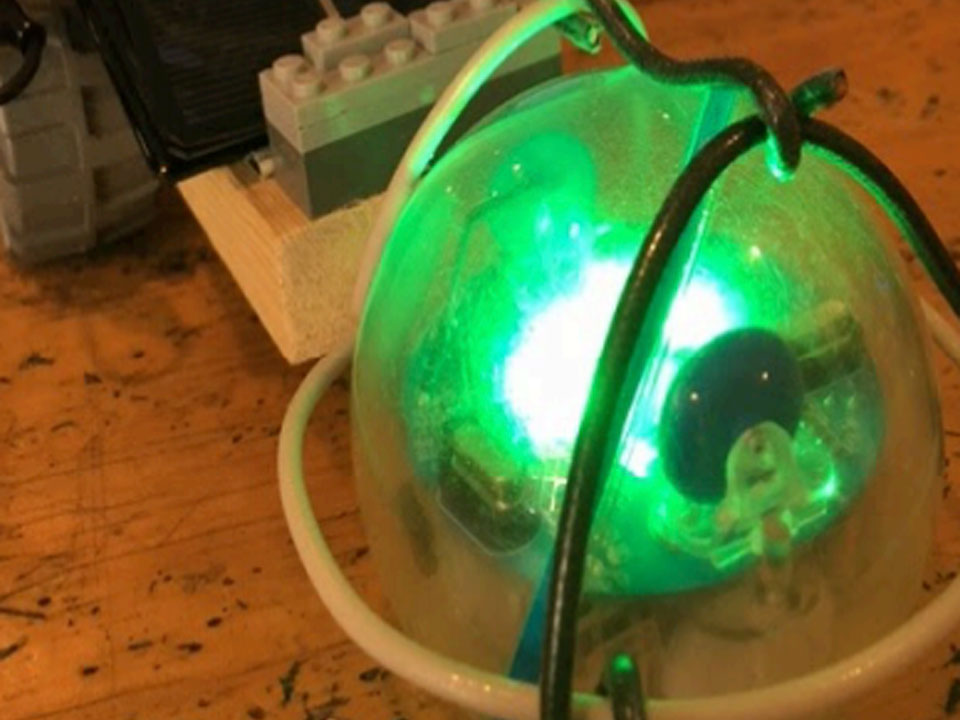
This unit incorporates basic programming knowledge and solar energy into an engineering design challenge using Sphero SPRK+ robots. The theme for this challenge centers on the idea of Mars rovers, and the challenges faced in space exploration, specifically remote control of exploration tools and the energy generation needed to power these devices (6 lessons).
-
Solar Battery Charging
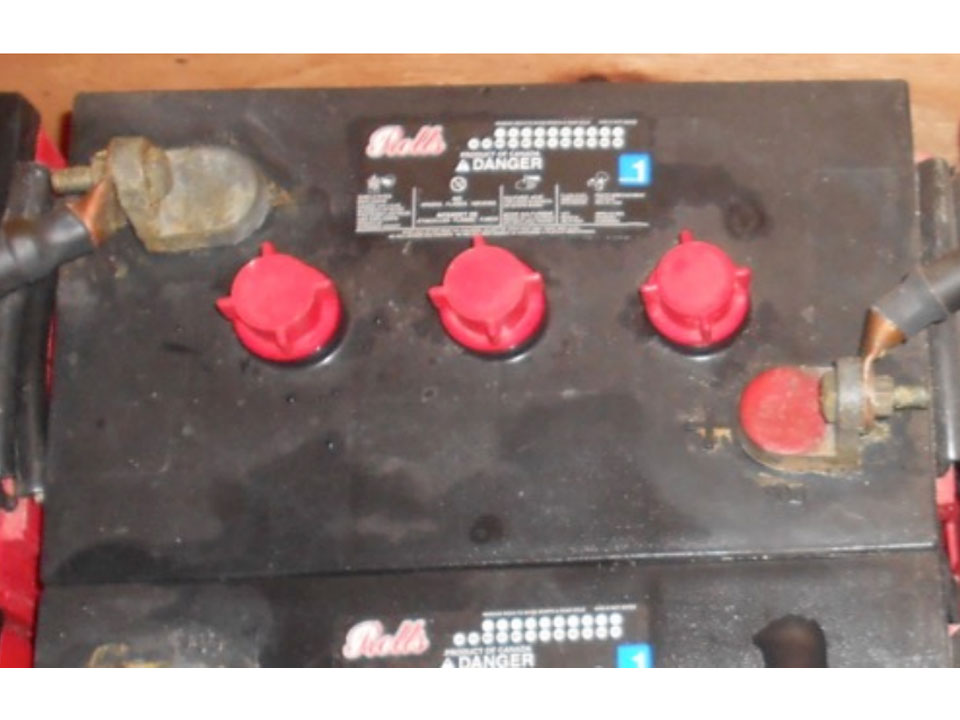
Students will become familiar with circuits, cells, batteries, and photovoltaic cells, then plan, build, test, modify, and re-test a small solar battery charger designed to maintain batteries from a particular device.
-
Illuminate Me: Merging Conductive Sewing, Technology, and Solar Power
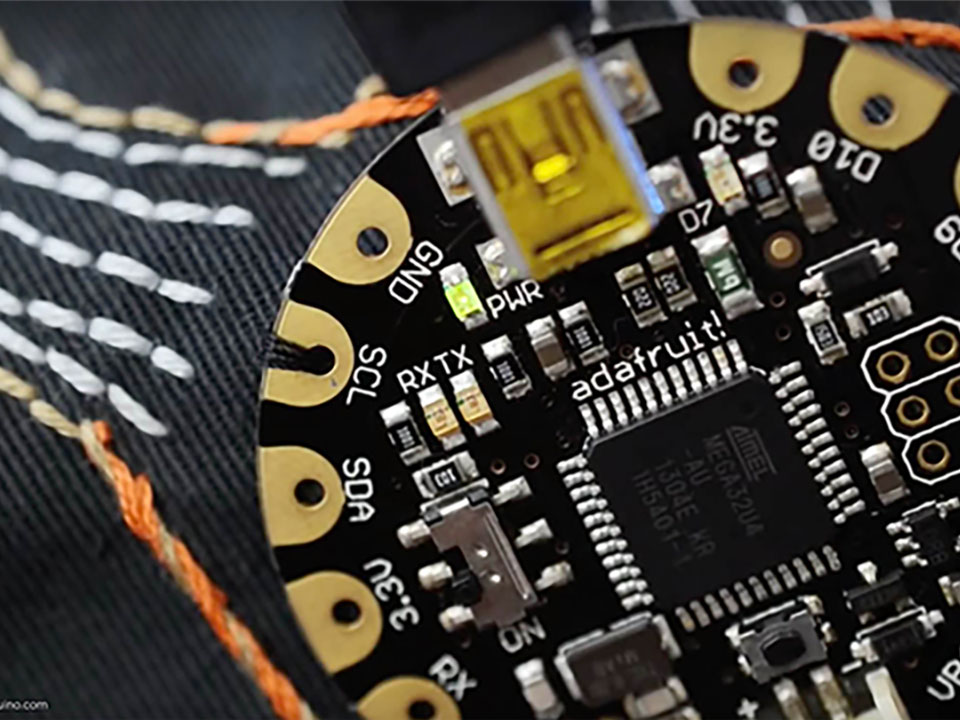
Students will design and build a wearable circuit using a microcontroller and incorporating solar power into a wearable garment project by recharging NiMH batteries for a renewable energy battery pack. This lesson is great for a culminating project since it integrates three major components: sewing circuits with conductive thread, programmable hardware, and energy transformations using…
-
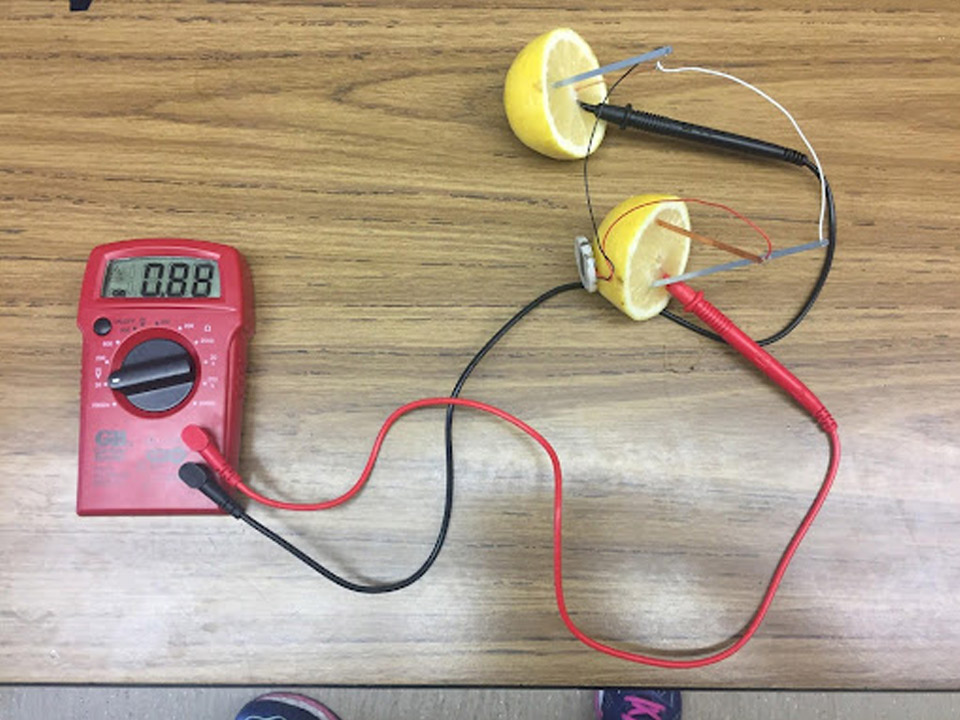
Understanding E-Waste Through Battery Design
In this unit of multi-day lessons, students will further their understanding of energy, electricity, and basic circuits by focusing on batteries and e-waste. Students will build on their existing knowledge of energy, exploring how it is stored and used in everyday life, as well as the role of batteries in energy systems. Hands-on experiments with…
-

Exploring Eco-Friendly Battery Design
Students will design multiple batteries using potatoes, lemons, pennies, and cola. They will use qualitative analysis to understand the voltage of each battery type. Based on their hands on experience students will understand methods to increase voltage and what makes a good battery design.