
Clean Energy Topic: Power Grid
-
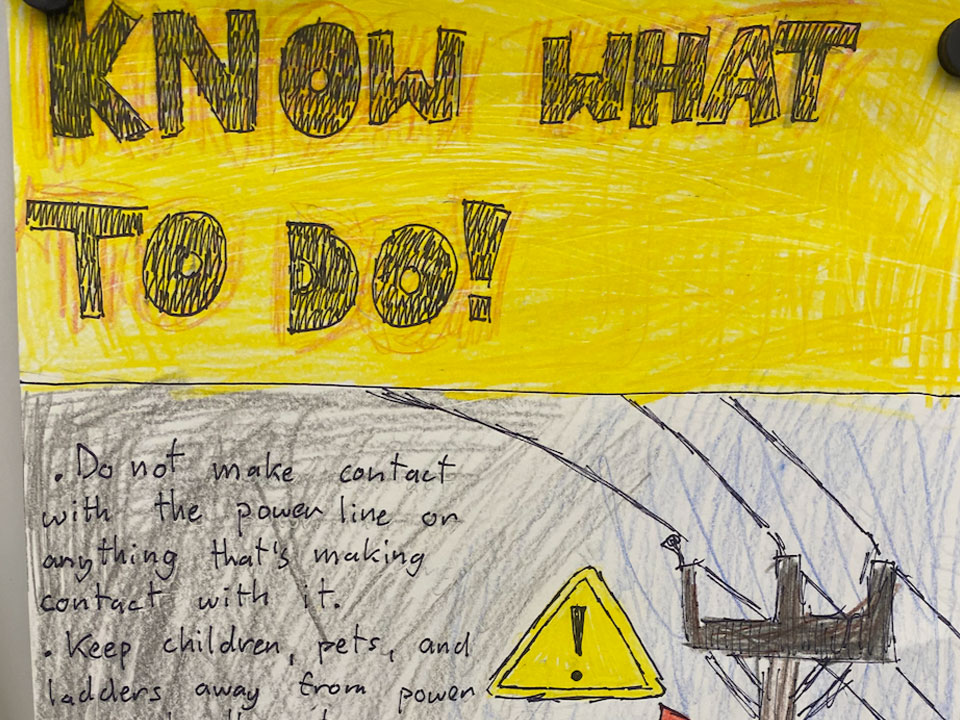
Natural Disasters and Powerline Safety
Students will create safety information to add to their natural disaster brochures through writing, drawing and/or choosing appropriate pictures to represent information, and presenting to peers. After learning about natural disasters in language arts, students will connect their learning to ‘how to be safe around damaged or downed power lines’ and write an informational piece…
-
Math Connection / Understanding the Use of Statistics and Numbers in Informational Writing
Students will learn about the costs of natural disasters while learning how to read numerical data from graphs through a Slow Reveal graph.
-
Writing and Creating an Information Piece
Students will use their existing knowledge of natural disasters and powerline safety to create a pamphlet that convinces their audience that it is unsafe to be near power lines when theya re touching a tree or when they have fallen on the ground.
-
Understanding Electricity
Students will test the conductivity of different materials by creating a simple circuit and observing a light to determine if the items complete the circuit and allow electricity to flow through them. This lesson can be done digitally by using phet simulators or as a hands-on activity with squishy circuits.
-
Introduce Phenomenon and Information Writing
Students will obseve videos of powerlines after storms. They will analyze data from a recent Oregon winter ice storm and notice connections to power lines and electricity.
-
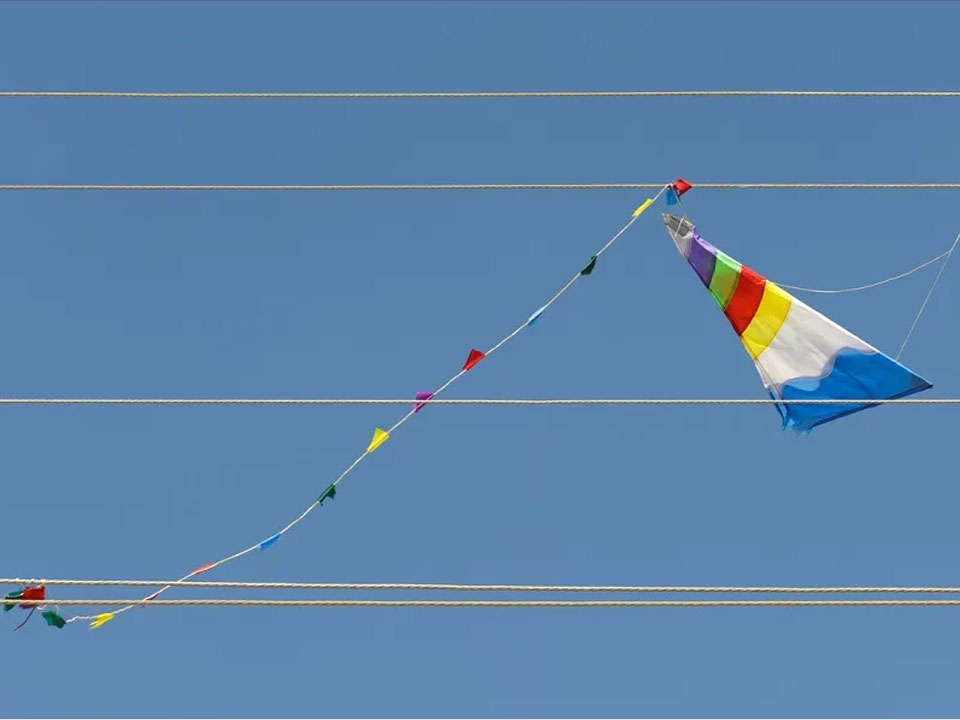
Safety When Flying in the Sky
Students will learn why they should not fly kites, drones, or model airplanes near powerlines and the dangers. They will learn how electricity travels through items, how to identify safe and unsafe areas for flying and share what they have learned.
-
Safety PSA
This lesson builds on concepts learned on electricity and powerline safety. Students will work in small groups to create a PSA or safety poster helping others to identify safe and unsafe places to fly their drones, model planes, or kites. They will share why powerlines can be dangerous for these activities.
-
Flying Dangers
Students will learn what happens when kites and drones come into contact with powerlines. Students will learn how electricity moves through powerlines and engage in a safety discussion.
-
Electricity is Moving
Students learn how electricity can move without being seen, and the fundamentals of energy transfer. In this lessons students will build a simple circuit to test if materials are electric conductors.
-
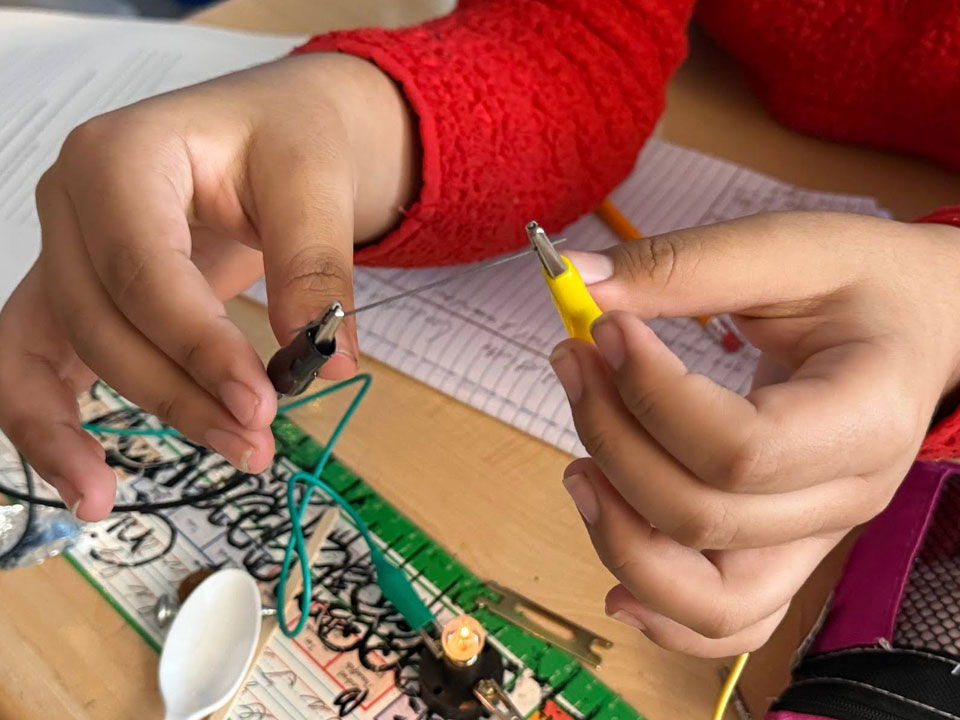
Natural Disasters Persuasive Writing
This is a built- in lesson, where students will learn about Natural disasters in Language arts. Students will have to write persuasive writing about the danger of powerlines and trees, especially after a natural disaster, like a wind storm. It is recommended this lesson is used in parallel with science lessons on matter with a…
-
Natural Disaster Writing Persuasive Sharing
Students will learn why they should not fly kites, drones, or model airplanes near powerlines and the dangers. They will learn how electricity travels through items, how to identify safe and unsafe areas for flying and share what they have learned.
-
Natural Disaster Writing Persuasive Drafts
Students will recieve feedback on their persuasive reasons for avoiding power lines affected by natural disasters from the previous lesson. They will then finish their persuasive writing draft with a conclusion that connects the students’ reasons and makes sense.
-
Natural Disaster Writing Persuasive Reasons
Students will learn about writing fact backed reasons when writing to persuade the reader to be safe around storm damaged power lines. This language arts lesson builds on the previous lessons in this unit and corresponding electrical conductivity lessons in science.
-
Natural Disasters Persuasive Introductions
Using the phenomenon of natural disasters in Oregon and how they affect power lines, students will use their exisiting knowledge on conductivity and electricity to write an introduction to a persuasive writing.
-
Natural Disasters Persuasive Writing
In this lesson, students will complete an activity to observe conductivity of items placed in a simple circuit. Students will engage with this hands-on activity and take notes and brainstorm their thoughts on conductivity with the intention of creating a persuasive writing. The concept of persausive writing, and what it is will be introduced in…
-
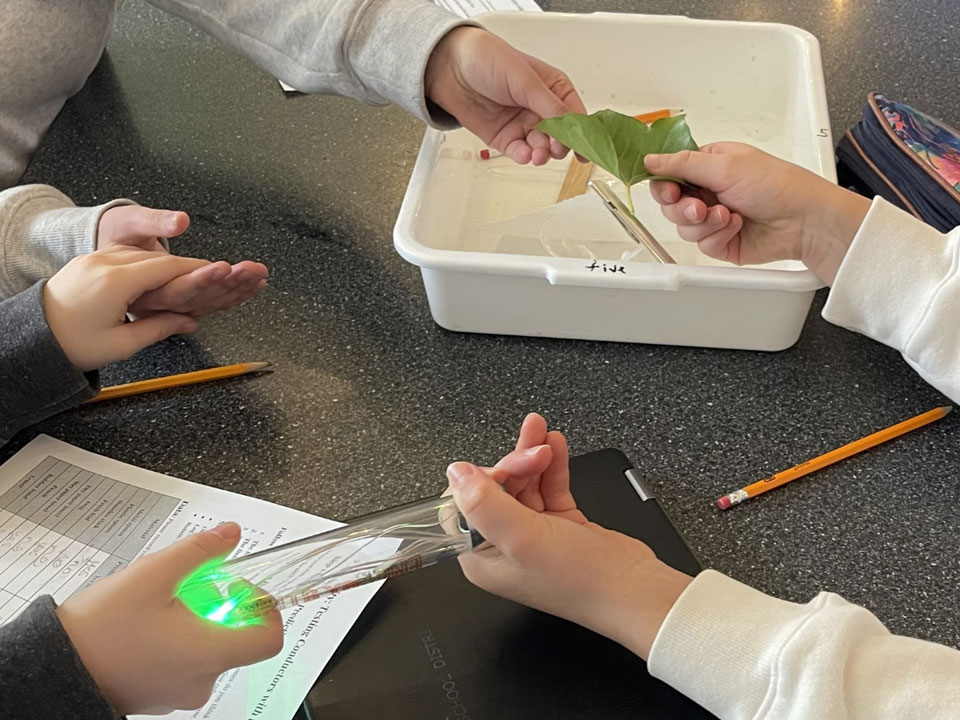
Electricity, Conductors & Safety
Students will use energy circuits to explore why tree branches, wet materials, metal objects, and water make electrical hazards worse. They will learn to model safe and unsafe situations around powerlines and use scientific knowledge of conductors and insulators to justify specific safety hazards.
-
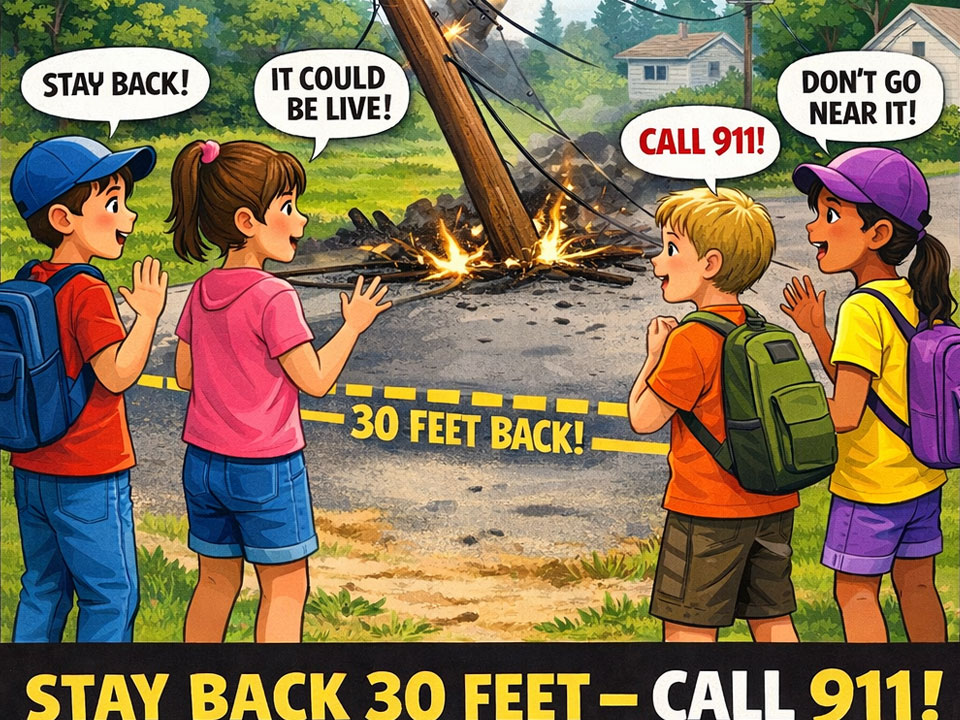
Grounded in Safety: The Science of Energy and Downed Power Lines
“Students will be introduced to the safety concerns with downed power lines, aligned with grade-level standards. Students will learn to understand the connection between downed power lines and how energy can be transferred from one place to another through sound, light, heat, and electric currents. They will report on this topic by creating a poster…
-
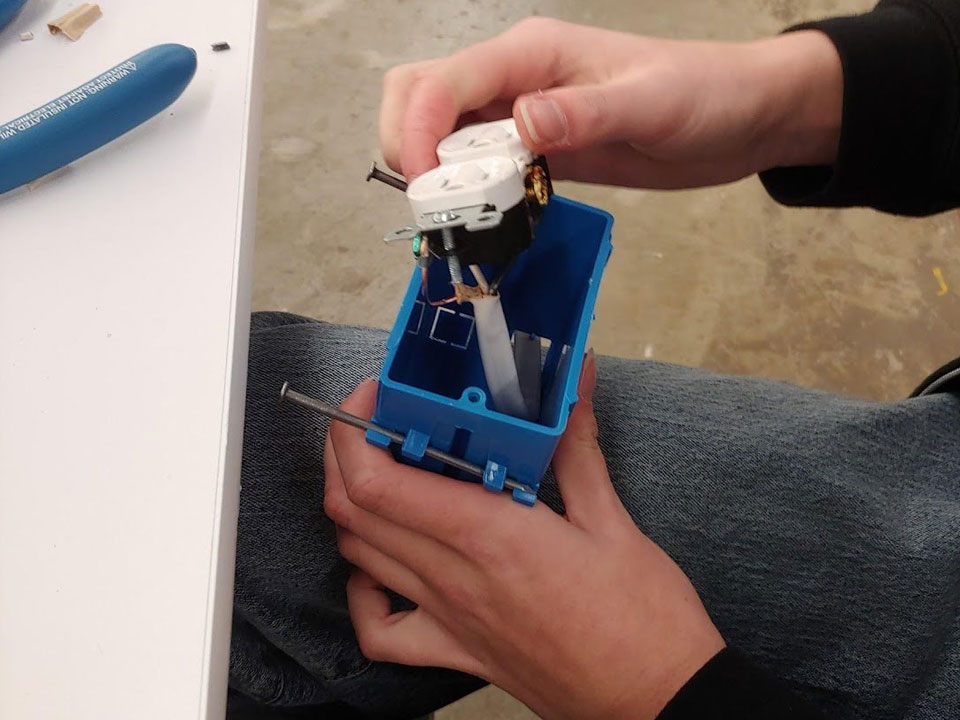
Are You Grounded Today?
Students will learn to wire an outlet in a gang box This is a single lesson that can be used in support of a unit on residential wiring or a unit on energy conversion. Students should already be exposed to the concepts of voltage, current and resistance.
-

STEP: Smart Grid and Energy
In this muti-day lesson, students will explore smart grid technologies and energy concepts through activities focused on energy consumption and an introduction to green jobs.
-
Reinventing the Wheel
Students examine the financial and environmental impacts that electric buses could have on their communities.
-
Virtual Grid Construction Activity
In this digital activity, Students position power plants, poles, and a variety of buildings on the screen, then tap buildings to draw wires between them and light up their city. Students complete a series of challenges which take them through the historical development of the electrical grid, with simulated storms demonstrating the value of having…
-

Electric Vehicles
This lesson teaches students about the energy needed to move objects and, in particular, how cars get their energy to travel. Students take part in a problem-solving exercise about charging an electric car, which also aims to spark a debate about the different ways cars can be fueled.
-

Power Outages and Energy System
Students learn how burning fossil fuels contributes to climate change, leading to more extreme weather and frequent outages. By exploring solutions, students see how communities can adapt, mitigate impacts, and build resilience, empowering them to think critically about energy and climate action.
-
Future Needs of the PNW Hydropower System
Students will evaluate the arguments for breaching the snake river dams, and the arguments against the breach. They will assess cost/benefit assessments, stakeholder positions, and possible solutions.
-

Electrical Engineering: Why Does the Electrical System Break Down?
This unit, developed through the Ambitious Science Teaching framework, attempts to create cohesive, model-based learning experience for high school level physics students to explore these concepts through the anchoring event of a power outages. They will explore our electrical system from simple circuits and the function of a switch, tracing the electrical energy back through…
-
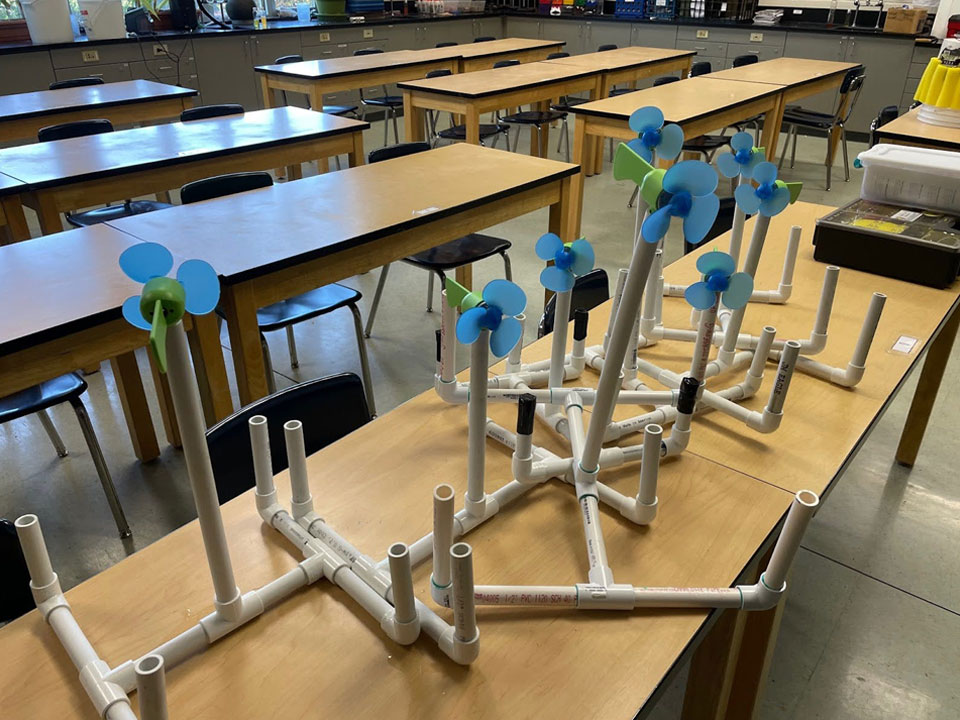
Clean Water Power: Wind, Waves, and Moving Water
This unit strives to answer the question: “How can the power of moving help communities by generating electricity?” Through a variety of lessons centered on the phenomena of the power of moving water, students will develop skills in circuits, model building, and testing. Students will explore issues surrounding clean water, energy, and careers.
-
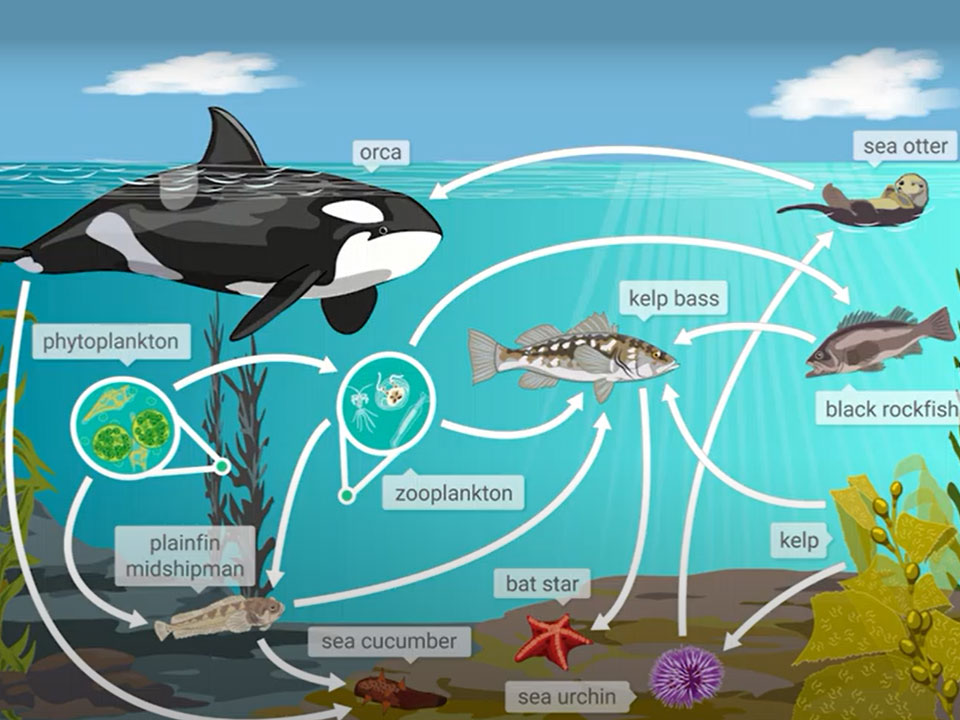
Ecological Interactions Between PNW Keystone Species
Students will examine the decline in chinook salmon and how the loss of this keystone species is impacting the South resident killer whale populations.
-

Optimal and Sustainable: Renewable Energy Revamp
In this lesson, students will be challenged with an optimization problem. The fictitious town of Solutionville has decided to replace coal, their current source for electricity, with more sustainable energy sources. In designing Solutionville’s sustainable energy future, students must consider not only the geographic constraints of various renewable energy options–wind energy, hydroelectric power, geothermal energy,…
-

Chemical Differences in Emergency Energy Sources
In the context of preparing a disaster supply kit, students develop atomic and molecular models of energy resources, analyze combustion of various fuels and build circuits. They then research and evaluate the impacts of converting natural resources into PV cells. Finally, students engineer a hand warmer that uses an exothermic chemical reaction (5 lessons).
-
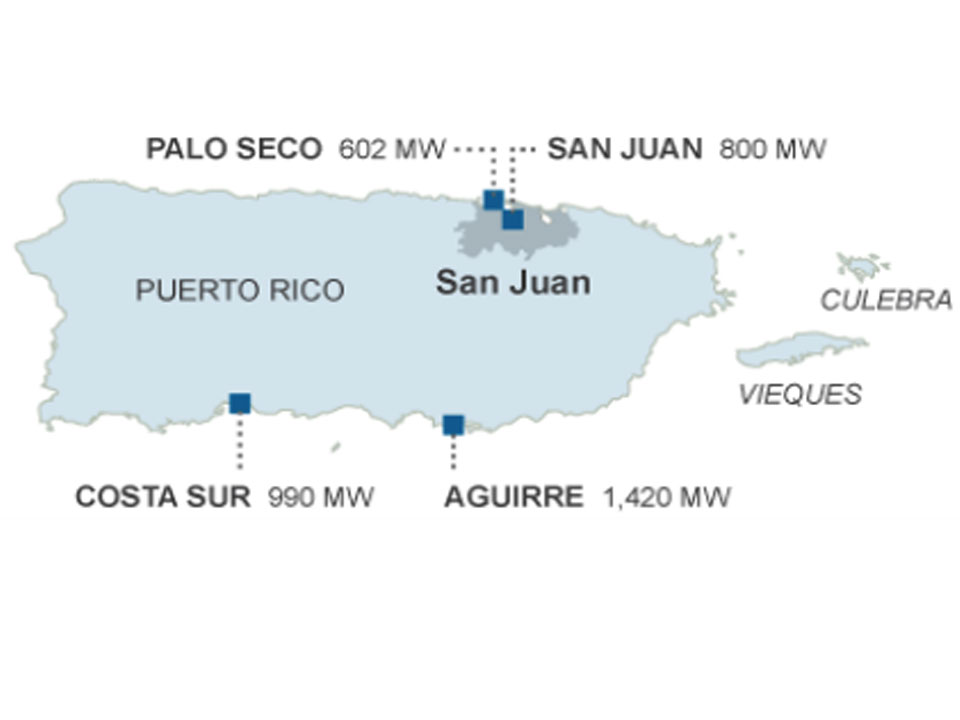
When the Grid Goes Down and Stays Down
Through an examination of media published in the five months following Hurricane Maria in 2017, students will develop an understanding of the electrical grid, the vulnerabilities of a grid system, and the immediate and long-term challenges of living without an electrical grid. This lesson will lay the foundation for the rest of the unit, establishing…